Why Summer Is Peak Pest Season in NYC
New York City summers are intense — and not just for the people who live here. From June through September, pest populations across the city surge as warm temperatures, high humidity, and an abundance of outdoor food sources accelerate insect and rodent activity. Pest control calls in NYC spike dramatically between Memorial Day and Labor Day, and the reasons are rooted in basic biology.
Insects are ectothermic, meaning their body temperature and metabolic rate are controlled by the environment. Warmer temperatures speed up development cycles, reproduction rates, and feeding activity. A cockroach that takes months to develop in winter can complete a generation in weeks during a hot New York summer. Mosquitoes, which require standing water to breed, take advantage of summer rains and urban drainage conditions that trap water on rooftops, in planters, and in clogged gutters.
For NYC residents, summer pest pressure comes from multiple directions simultaneously. Knowing which pests to expect and when they peak gives you a significant advantage in preventing infestations before they take hold.
The 5 Pests That Spike in NYC From June Through September
Mosquitoes are the first summer pest most New Yorkers notice. Populations build throughout June as temperatures consistently hit the mid-70s and above. NYC has documented populations of Aedes albopictus — the Asian tiger mosquito — which bites aggressively during daytime hours, not just at dusk. Mosquitoes breed in any standing water that persists for more than 4 to 5 days, including birdbaths, clogged gutters, bottle caps, and saucers under potted plants. Roof gardens and HVAC drip pans on commercial buildings are common breeding sites in dense urban areas.
Ants surge in late spring through midsummer. Odorous house ants and pavement ants are the most common species entering NYC apartments, drawn in by food residue and moisture. Carpenter ants peak slightly later in the summer as their colonies mature and winged reproductives begin emerging. Ant colonies that have been active underground all winter send out scouts as temperatures rise, and those scouts find their way through gaps around plumbing and window frames into kitchens and bathrooms.
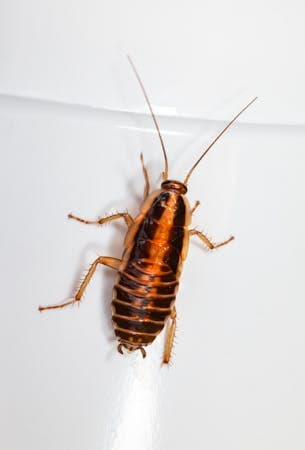
Cockroaches, particularly German cockroaches in apartments and American cockroaches in basement and sewer environments, reach peak reproductive activity in the summer months. American cockroaches — sometimes called water bugs locally — are more likely to enter apartments from drains and basement spaces during summer heat, as they seek cooler interior environments.
Wasps and yellow jackets become increasingly aggressive in late summer — August and September — as their colony populations peak and their natural food sources begin to decline. By late August, yellow jacket workers are competing for sugary foods and can become highly aggressive near trash areas, outdoor dining, and playgrounds. Paper wasp nests built in eaves, window frames, and AC unit housings are common in NYC residential buildings.
Bed bugs do not follow a strictly seasonal pattern, but summer travel dramatically increases the rate of new infestations in NYC. Hotels, vacation rentals, and even airplane seat cushions are common sources of bed bug introduction. Returning from summer vacation is one of the most common triggers for new bed bug problems, and the warmer temperatures of summer accelerate their reproduction once introduced.
How Summer Heat Accelerates Pest Cycles
Temperature has a direct and measurable effect on pest development times. German cockroach eggs hatch in roughly 28 days at 77 degrees Fahrenheit but in as few as 14 days at 86 degrees. Mosquito larvae can develop from egg to adult in as little as 7 days in warm summer water. These compressed development times mean that a pest problem that would take months to become serious in cool weather can escalate dramatically within weeks during a hot New York summer.
Humidity plays an equally important role. High summer humidity supports the moisture conditions that cockroaches, silverfish, and certain mold-feeding insects require to thrive. It also slows the drying of organic material — food spills, compost, and garbage — giving pests more time to exploit these food sources.
Buildings without air conditioning or with poor ventilation tend to have higher summer pest pressure because interior temperatures and humidity levels mirror outdoor conditions rather than remaining controlled.
Prevention Tips for NYC Residents
There are practical steps every NYC resident can take to reduce summer pest pressure in their home. Eliminate standing water anywhere on your property — this is the single most effective action for reducing mosquito breeding. Keep gutters clear and ensure HVAC condensate lines drain away properly.
For ants and cockroaches, the most important prevention step is reducing food and moisture access. Store dry goods in sealed containers, address leaky faucets and pipe connections promptly, and wipe down countertops and stovetops after cooking. Caulk gaps around plumbing penetrations and window frames to reduce entry points.
Inspect window screens for tears or gaps before summer arrives and ensure door sweeps are intact. For outdoor areas, keep trash in sealed bins and address any gaps in building foundations or utility entries that could provide rodent or insect access.
For bed bug prevention, inspect hotel room mattresses and headboards when traveling, keep luggage off the floor, and inspect secondhand furniture before bringing it inside.
When to Call a Professional Exterminator
Prevention is always more cost-effective than treatment, but there are situations where professional intervention is the right call. If you are seeing more than a few ants daily despite cleaning and sealing measures, a colony is likely already established inside or adjacent to your home. Multiple cockroaches seen in daytime indicate a large population since cockroaches only venture out when harborage sites are crowded. A wasp nest larger than a tennis ball should not be approached without professional equipment.
Organic Pest Control NYC uses Integrated Pest Management approaches for all summer pest services. We identify conducive conditions, use targeted organic treatments, and provide guidance on structural and sanitation improvements to reduce pest pressure long-term.
Frequently Asked Questions
Q: What is the busiest time of year for pest control in NYC?
A: July and August represent the peak demand period for pest control services in New York City. Mosquito, ant, wasp, and cockroach calls all reach their annual high during these two months.
Q: Can summer pests cause health problems?
A: Yes. Mosquitoes transmit West Nile virus, which is documented annually in NYC. Cockroach allergens are a major asthma trigger. Wasp and bee stings can trigger anaphylaxis in sensitized individuals. Addressing summer pest infestations promptly is a genuine health consideration.
Q: Do I need a pest control plan or just a single treatment?
A: For most summer pests in NYC apartments, a single targeted treatment combined with prevention measures is sufficient. Buildings with recurring annual pest pressure — particularly for mosquitoes, ants, or cockroaches — benefit from seasonal maintenance programs.
Protect Your Home This Summer
Summer pest pressure in NYC is predictable, which means you can get ahead of it. Whether you are dealing with mosquitoes on a roof terrace, ants in the kitchen, or cockroaches from a neighboring unit, Organic Pest Control NYC has eco-friendly solutions for every situation. We serve all five boroughs, Westchester County, Nassau County, and Suffolk County. Call us at (212) 580-9301 to schedule a summer pest inspection before the season hits full swing.