Why Manhattan Apartments Face Unique Pest Pressure
Manhattan is one of the most densely populated urban environments on earth, and that density creates pest pressures that are genuinely unlike anything most people encounter in suburban or rural settings. When 1.6 million people live within 23 square miles, the conditions for pest establishment are compounded at every level.
Pre-war buildings that make up much of Manhattan's residential stock were built before modern pest-exclusion standards existed. Pipe chases, utility conduits, and shared wall cavities run continuously between units and floors, creating highways that cockroaches, mice, and bed bugs exploit to travel throughout entire buildings. A pest problem in one unit is rarely contained to that unit in older Manhattan construction.
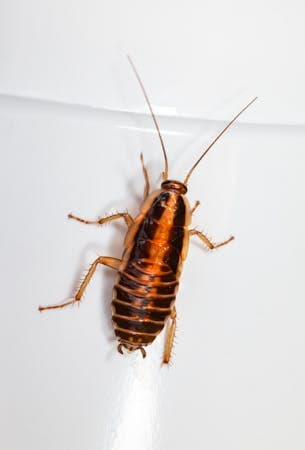
Food delivery culture adds another layer of pressure. Manhattan residents receive a disproportionately high volume of food deliveries, many in cardboard boxes and paper bags that can harbor German cockroach egg cases. The combination of restaurant density, residential cooking smells, and constant organic material in trash areas creates food attractant conditions that are difficult to fully eliminate.
High-rise buildings present their own challenges. Pest populations can exist in elevator shafts, mechanical rooms, and utility closets that are rarely inspected. Ground-floor retail — restaurants, bodegas, laundromats — beneath residential units creates persistent pest pressure that can push rodents and cockroaches upward through building structures.
What Eco-Friendly and Organic Pest Control Actually Means
The terms eco-friendly, organic, green, and non-toxic are used loosely in the pest control industry, and it is worth understanding what they actually mean in practice. At Organic Pest Control NYC, eco-friendly pest control means a specific approach grounded in three principles: using plant-derived or naturally occurring active ingredients wherever effective; minimizing or eliminating broadcast chemical applications in favor of targeted precision treatments; and addressing the structural and behavioral conditions that allow pests to establish themselves in the first place.
This is not simply a marketing label. NYPMA-certified technicians at Organic Pest Control NYC receive specific training in low-impact treatment methods and are required to document the products used, application methods, and IPM measures recommended at every service visit. We have operated under these principles since 2009.
Organic pest control does not mean ineffective pest control. Plant-derived insecticides such as pyrethrin (derived from chrysanthemum flowers), essential oil-based repellents, and diatomaceous earth have well-documented efficacy against common household pests. The difference is that these materials have significantly lower mammalian toxicity than synthetic pyrethroid compounds, organophosphates, or neonicotinoids.
Plant-Derived vs. Toxic Synthetic Pesticides
Conventional pest control often relies on synthetic chemical families that were developed for agricultural use and later adapted to structural pest control. Organophosphates, synthetic pyrethroids, and neonicotinoids are all effective at killing insects, but they carry documented health and environmental risks that are particularly relevant in dense residential environments like Manhattan apartments.
Synthetic pyrethroids, for example, are highly toxic to aquatic organisms and have been found in NYC waterways at concentrations that affect fish and invertebrates. Some neonicotinoids have been linked to endocrine disruption effects at low chronic exposure levels. In apartments where residents — including infants, elderly people, and individuals with compromised immune systems — spend the vast majority of their time, reducing chemical exposure is a meaningful health consideration.
Plant-derived alternatives like pyrethrin, neem oil, and clove oil-based formulations break down rapidly after application and do not bioaccumulate. When combined with targeted application methods — gel baits, crack and crevice treatments, and dust applications in enclosed voids — they achieve pest control outcomes comparable to synthetic chemical approaches without the associated exposure risks.
IPM Explained: The Framework Behind Organic Pest Control
Integrated Pest Management is a decision-making framework for pest control that prioritizes long-term prevention over repeated chemical applications. Rather than responding to each pest sighting with a spray treatment, IPM begins with a thorough inspection to identify the pest species, the conditions supporting the infestation, and the most targeted and least-impact method for resolving it.
An IPM program for a Manhattan apartment typically begins with an inspection that maps all pest entry points, harborage sites, and moisture or food sources. Structural recommendations — sealing pipe penetrations, repairing door sweeps, addressing drainage issues — are provided alongside any chemical or biological treatment. Follow-up visits assess treatment outcomes and adjust as needed.
IPM reduces the total volume of pesticide applied over time because it addresses root causes rather than repeating surface treatments. In a 2019 review of IPM programs in NYC public housing, units receiving IPM services had significantly lower pesticide application rates and comparable or better pest control outcomes compared to conventional spray programs.
What a Service Visit Looks Like
A standard eco-friendly pest control visit from Organic Pest Control NYC begins with the technician conducting a walkthrough of your apartment, asking about the nature and location of pest activity, and identifying any conditions that may be contributing to the problem. This inspection typically takes 15 to 20 minutes.
The treatment phase uses precision application methods: gel bait placement in harborage sites, crack and crevice dust applications in wall voids, and targeted liquid treatments applied only where pest activity has been confirmed. Products are plant-derived or naturally occurring wherever suitable. The technician will explain what was applied, where it was placed, and what you can expect in terms of timeline for results.
After treatment, the technician provides a written summary including any IPM recommendations — structural repairs, sanitation adjustments, or exclusion measures — that will improve long-term outcomes. Most visits for a single apartment take 30 to 60 minutes.
Frequently Asked Questions
Q: Is organic pest control as effective as conventional chemical treatments?
A: For the most common household pests in Manhattan apartments — German cockroaches, ants, mice, and bed bugs — yes. Organic methods using targeted gel baits and plant-derived products achieve comparable outcomes when combined with proper IPM measures. Some pest scenarios may require a broader range of tools, and we will always be transparent about what approach is best for your situation.
Q: Is organic pest control more expensive than conventional treatment?
A: Organic treatments are typically comparable in price to conventional services. Some plant-derived products do cost more than their synthetic counterparts, but the precision application approach used in organic IPM often reduces the overall volume of product needed, offsetting that difference.
Q: How quickly do organic treatments produce results?
A: For cockroaches, gel bait typically produces visible population reduction within 1 to 2 weeks. Ant treatments usually show results within days. For mice, exclusion provides immediate results while population reduction takes 2 to 4 weeks.
Q: Do I need to leave my apartment during or after treatment?
A: No. Organic and plant-derived treatments do not require evacuation. Most applications are placed in enclosed areas — cracks, crevices, and wall voids — that minimize any potential exposure to residents.
Get Eco-Friendly Pest Control in Manhattan Today
If you are dealing with cockroaches, ants, mice, or any other pest in your Manhattan apartment, you do not have to choose between effective treatment and a safe home environment. Organic Pest Control NYC has been providing certified, eco-friendly pest management to Manhattan residents since 2009. Call us at (212) 580-9301 to schedule your inspection and get a treatment plan built around plant-derived solutions and lasting IPM results.