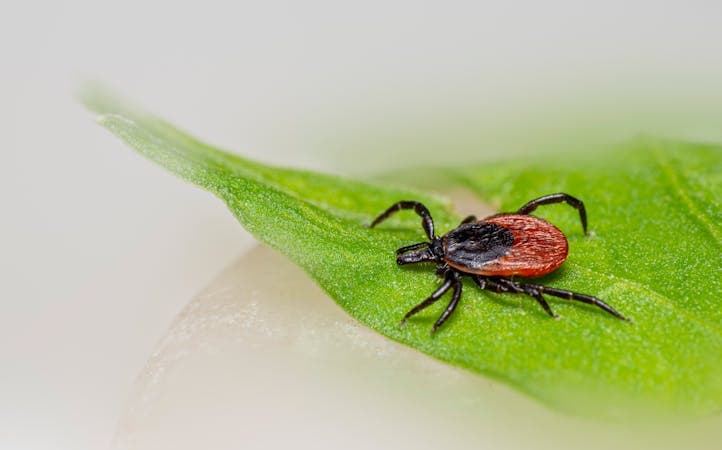
Tick Season on Staten Island: Protecting Your Family This Spring
Of all five New York City boroughs, Staten Island has the highest tick risk — and spring is when that risk surges. Tick season on Staten Island typically begins in March and April as temperatures climb above 45°F, reaching its peak between April and June. For families living near wooded areas, parks, or green corridors, understanding the threat and taking proactive steps this spring can make a significant difference in keeping everyone protected.
Why Staten Island Has Elevated Tick Risk
Staten Island is unique among NYC's five boroughs for the sheer amount of natural green space woven into residential neighborhoods. The Staten Island Greenbelt — a 2,800-acre natural area in the heart of the island — is one of the largest urban nature preserves in the United States. Combined with numerous wooded parks, nature trails, and the borough's suburban character with tree-lined yards and undeveloped lots, Staten Island provides ideal tick habitat that the other boroughs simply don't have to the same degree.
Deer populations on Staten Island also contribute significantly to tick spread. White-tailed deer are the primary host for adult blacklegged ticks (*Ixodes scapularis*), also known as deer ticks — the species responsible for transmitting Lyme disease. Deer moving through neighborhoods, backyards, and green corridors effectively seed new tick populations throughout the borough.
Tick Season Timeline: When Is the Risk Highest?
On Staten Island, tick activity follows a predictable seasonal pattern:
**Spring nymphs are the most dangerous** because they are the size of a poppy seed, making them extremely difficult to detect on skin or clothing.
Deer Ticks vs. Dog Ticks: Know the Difference
Two tick species are most commonly encountered on Staten Island:
Blacklegged Tick (Deer Tick) — *Ixodes scapularis*
American Dog Tick — *Dermacentor variabilis*
Blacklegged ticks are the primary concern for Lyme disease transmission. The deer tick must typically be attached for 36–48 hours to transmit Lyme bacteria (*Borrelia burgdorferi*), which is why daily tick checks are so important.
Lyme Disease on Staten Island
New York State consistently records some of the highest Lyme disease case rates in the United States. Staten Island residents who spend time in or near the Greenbelt, LaTourette Park, Snug Harbor, or wooded residential neighborhoods are at genuine risk during spring and fall tick seasons. Symptoms of Lyme disease include the characteristic bull's-eye rash (erythema migrans), flu-like symptoms, fatigue, and joint pain. Early detection and prompt medical treatment are critical.
How to Check for Ticks After Outdoor Activity
1. **Do a full-body check** immediately after coming inside — check armpits, behind the knees, groin, scalp, and behind ears
2. **Shower within 2 hours** of being outdoors to wash off unattached ticks
3. **Check your pets** — ticks can hitch a ride inside on dogs or cats
4. **Tumble dry clothing** on high heat for 10 minutes to kill any remaining ticks
5. **Use fine-tipped tweezers** to remove an attached tick — grasp it close to the skin and pull steadily upward
Professional Yard Tick Treatment
For properties bordering wooded areas, parks, or green corridors on Staten Island, professional perimeter tick treatment is the most effective way to reduce tick populations on your property.
Organic Pest Control NYC applies targeted, eco-friendly tick control treatments to yard perimeters, lawn edges, and transition zones between grass and vegetation — where ticks concentrate while waiting for hosts. Our family-considerate and pet-considerate treatments can dramatically reduce tick populations in treated areas throughout the season.
FAQ: Tick Season on Staten Island
**Q: What parts of Staten Island have the highest tick risk?**
A: Neighborhoods bordering the Greenbelt — including Willowbrook, Egbertville, Richmond, and New Dorp — carry the highest risk. Any yard with tree cover, tall grass, or proximity to wooded areas is a concern.
**Q: Can my indoor pet get ticks?**
A: Yes. Ticks can enter your home on clothing or on pets that go outside. Even cats that venture briefly outdoors can carry ticks inside.
**Q: How effective is professional yard tick treatment?**
A: Studies show targeted perimeter treatments can reduce tick populations in treated areas by 68–90% when applied correctly and on schedule.
**Q: When should I schedule a tick treatment for my yard?**
A: Schedule your first treatment in early April, before nymphal tick activity peaks. Retreatment in June and again in September covers all active seasons.
---
Don't let tick season catch your family off guard this spring. Organic Pest Control NYC provides expert, eco-friendly tick treatments for Staten Island properties throughout the Greenbelt corridor and surrounding neighborhoods. Call us at **(212) 580-9301** or Book Now to schedule your spring yard treatment.