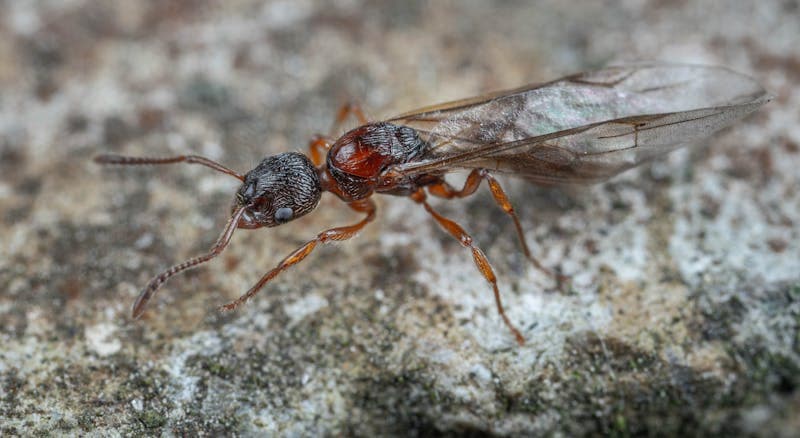
Spring Termite Swarms in Westchester County: What Homeowners Need to Know
Every spring, Westchester County homeowners discover something alarming: winged insects pouring from walls, window frames, or soil near their foundations. Spring termite swarms are one of the most urgent pest events of the year, and in a county defined by older wood-frame homes, mature trees, and wooded lots, the risk is especially high. If you've spotted a swarm near your home, here's what you need to know right now.
Why Spring Triggers Termite Swarming
Eastern subterranean termites (*Reticulitermes flavipes*) — the dominant species across New York State — swarm when soil temperatures consistently reach 70°F or above, typically between March and May in Westchester County. Swarms are triggered by a combination of warmth and rainfall and usually occur mid-morning on calm, sunny days.
Swarming is a reproductive event. Winged termites (called alates or swarmers) leave an established colony to mate and found new colonies. A swarm doesn't mean termites just arrived — it means a colony has been quietly feeding on your home's wood for years and is now large enough to reproduce.
What Does a Termite Swarm Look Like?
A termite swarm typically involves dozens to thousands of small, dark-bodied, soft-winged insects emerging from a crack, soil opening, or wood surface. After mating, swarmers shed their wings — finding piles of discarded wings along windowsills or door frames is one of the most common ways homeowners first realize they have a problem.
Termite Swarmers vs. Flying Ants: How to Tell the Difference
This is one of the most important distinctions in spring pest identification:
When in doubt, save a few specimens in a sealed bag and call a professional for identification.
Why Westchester County Is a Termite Hotspot
Westchester's older housing stock — particularly the colonial, craftsman, and Victorian homes in communities like Yonkers, White Plains, New Rochelle, Tarrytown, and Dobbs Ferry — presents ideal conditions for subterranean termites. These structures often have:
Wooded neighborhoods along the Bronx River Parkway corridor, the Hudson River towns, and communities near Pound Ridge or Bedford's forests face added pressure from naturally high termite populations in surrounding woodland soils.
Signs of Termite Activity to Watch For This Spring
Beyond a visible swarm, watch for these warning signs:
What to Do If You See a Swarm
1. **Don't panic, but don't ignore it.** A swarm is a clear signal that a colony is nearby.
2. **Photograph and collect specimens** for professional identification.
3. **Do not spray the swarm** with consumer products — swarmers will die on their own within hours, and spraying them does nothing to address the colony.
4. **Inspect your foundation** for mud tubes and contact a licensed pest professional immediately.
5. **Schedule a professional inspection** — the longer a termite colony feeds, the more structural damage accumulates.
How Are Termites Treated?
Professional termite treatment typically involves liquid soil barriers applied around the foundation perimeter, targeted wood treatments, or baiting systems that recruit worker termites to carry slow-acting material back to the colony. Eco-conscious approaches use low-impact products applied precisely to minimize exposure to the surrounding environment.
FAQ: Termite Swarms in Westchester
**Q: Are termite swarmers dangerous to people?**
A: No. Swarmers do not bite or sting and are not directly harmful to people or pets. The danger is entirely to your home's wood structure.
**Q: If I see swarmers inside, does that mean the colony is inside my house?**
A: Usually yes. Indoor swarmers almost always indicate an established colony within the structure or very close to the foundation.
**Q: How long does termite damage take to become serious?**
A: A mature colony can cause significant structural damage over three to five years of undetected feeding. Early intervention is critical.
**Q: Is spring the only time termites are active?**
A: No — termites feed year-round. Spring is simply when colonies swarm and when new infestations are most likely to be noticed.
---
If you've spotted a termite swarm or suspect termite activity in your Westchester County home, don't wait. The team at Organic Pest Control NYC provides expert, eco-friendly termite inspections and treatments tailored to the region's older housing stock. Call us today at **(212) 580-9301** or Book Now to schedule your inspection before spring swarming season peaks.