5 Ways to Get Rid of Raccoons
They may look furry and cute, but raccoons can be very problematic. Know how to spot signs of a raccoon infestation so that you can move swiftly with a treatment to eliminate it.
These dark-colored mammals are found throughout most of the United States, and are rarely seen during the day. But when they come out at night they can cause major problems if they infest your home or your property.
How Do I Identify Raccoons?
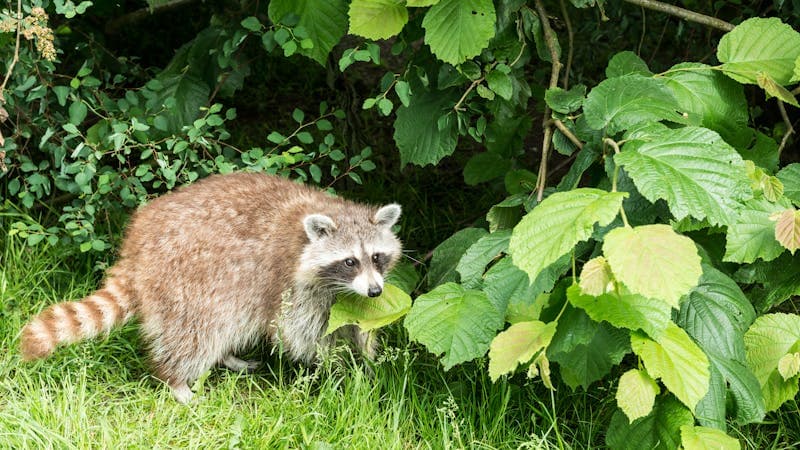
Raccoons are difficult to miss. They are mid-sized animals about 2 – 3 feet in length, and their stocky bodies have grey and black fur. They are best known for the rings of black around their eyes, and tail.
Raccoons tend to live in forested areas near water sources, and are more common in agricultural areas. They build dens in places such as ground burrows, brush piles, hollow trees, and abandoned buildings. They are also known to build their homes in parts of homes like the chimney and attic.
That being said, raccoons don't exclusively live in rural areas, and have begun to populate urban dwellings as well. These critters wreak havoc upon garbage cans, properties, and public health.
Raccoons will eat almost everything from plants to other animals including fruit, frogs, insects, rabbits, eggs, and turtles, among others. Raccoons can live as long as twelve years in the wild, and longer indoors.
Why Are Raccoons a Problem?
Raccoons carry a number of dangerous diseases including roundworm which is an intestinal parasite. This parasite is transmitted through the accidental ingestion of an invisible roundworm egg. You might become infected with this parasite without even realizing you have a raccoon problem.
Raccoons can also transmit rabies, a serious threat to both you, and to your pets.
While most don't have rabies, raccoons are one of the most common carriers of the disease in the eastern part of the U.S.
Signs of a Raccoon Infestation
Unlike most other household pests, it's fairly easy to determine if you have a raccoon infestation. You may notice damage to your home's insulation or your shingles out of place. Any structural damage can indicate a raccoon trying to get into your home. You might also notice droppings or urine stains, and accumulated materials that raccoons use to build their nest.
But more often than not you will notice signs of raccoons invading your trash cans. If you notice trash dispersed around your property or even paw prints in the yard then it's more than likely a raccoon may be to blame.
Another sign to look for raccoons infesting your property is if you have a garden. They will go after any and all produce they can get their furry mitts on.
Finally, if you hear loud thuds or noises in your home, especially around your attic or chimney. Unexplained noises are often one of the first signs of a raccoon infestation.
How to Get Rid of Raccoons
Once you've detected a raccoon infestation you have to figure out how to get them out of your home or off of your property. The best thing you can do to prevent a raccoon infestation is to keep them from coming into your home in the first place.
An ounce is prevention is worth a pound of cure, and this is especially true in the case of pest control.
Here are a few easy tips you can follow to keep raccoons away:
While you can trap a raccoon yourself, it's always recommended that you contact a licensed pest control professional to do it for you. This is because raccoons can carry a number of dangerous, and potentially fatal diseases, such as rabies or roundworm.