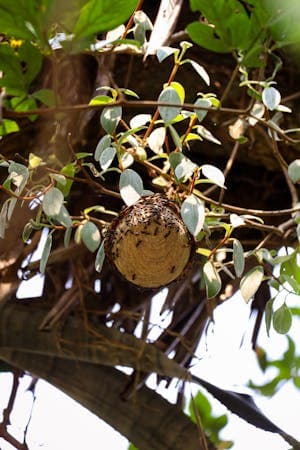
Bee Removal: How to Safely Remove a Beehive
Bees are a vital part of the ecosystem, but a beehive close to your home is never a good thing. However, bee removal requires a great deal of caution.
A small infestation of bees can be removed if proper measures are taken before engaging in it. For a larger infestation though, a professionally trained expert is recommended for bee removal.
Bees live in colonies and range from small stingless bees to large leaf-cutter bees. Therefore, it is essential to know the type of bees you are dealing with before engaging in any kind of bee removal. Beekeepers often relocate the bees once they remove the hives to artificial hives known as 'cut-outs.'
It is best to look out for signs of a beehive formation before it gets massive.
Early Signs of a Formation of Beehives
Pay close attention to these signs. By doing so, you can prevent an infestation, and conduct bee removal yourself before it gets out of control.
Find out if you are Allergic to Bees
Allergy to bees is as fatal as it gets and can cause instant death. If an individual is extremely allergic to bee stings, then it is best to leave the job in the hands of professionals. For people who are allergic to bee stings symptoms include:
Know Your Bees
Different types of bees pose different threats. The sting of each bee can affect you differently. While bumblebees prefer to construct nests in soft materials and are aggressive only if threatened, the carpenter bee prefers to live in seclusion, and seldom damages structures. On the other hand, hornets build their nests on trees and are aggressive.
You should know what type of bee you are dealing with before engaging in any bee removal.
Safety Measures
Wear thick and long-sleeved clothes. Always tuck your pants into your shoes or boots. Other essentials include:
Spot and Spray the Hive
The best time to do this is after sunset as bees are inactive during this period. Carry a red flashlight or a flashlight with a red glaze cover as bees are blinded to such lights. Once you have spotted the hive, spray the pesticide into it. Stand at an optimum distance to avoid stings from falling bees or ones trying to escape.
Poison the Beehive
After you have sprayed the hive for a while, put insect poison inside, and wait for at least an hour. Read the instructions on the poison to make sure you use the right amount to achieve the desired effect you want.
Spray the Beehive Again and Apply Flame to it
If you see activity after an hour of applying the poison, then apply the pesticide spray again, and wait for about half an hour for it to subside. It is important to give the poison time to take effect. Then cut the hive from the structure, and toss it in a barrel or a fire that is large enough to destroy it in one shot.
Thoroughly Clean the Area
Clean the area where the beehive was, and clear the space of any evidence of a pre-existing nest. This will ensure no swarm of bees decide to build a hive in the same place later. Also, remove any dead bees. They may attract other bees. Disinfect the area to prevent the growth of pathogens.
Additional Concerns
Bees are an endangered species, and rather than killing them, it is advisable to relocate them into artificial hives.
To do this, we recommend you contact a bee-keeper or other professional in the field.
Beehives can be found hanging from trees, outer walls of the house, and under the hanging area of a house. The above steps can be applied in many cases, but you might need to drill or hammer the areas to repair the broken parts of your walls.
Once again, it is important to be aware; these bee removal steps are to destroy a small beehive. Anything larger, it is advised you contact a professional to take care of the problem for you to avoid any serious injury.